By some accounts, the three largest mental health institutions in the United States are prisons.
We can change this. And this, too, is mental health advocacy.
Somewhere between one third to one half of all people who are killed by police in the United States have a mental illness and/or other form of disability.
We can change this. And this, too, is mental health advocacy.
Around half of Americans rely on their employer for health insurance, which means that millions of Americans who have lost employment in the past few months are not only out of work, but also potentially locked out of the healthcare system.
We can change this. And this, too, is mental health advocacy.
Americans owe billions of dollars in unpaid medical bills, with most bills leading to medical debt averaging around $600.
We can change this. And this, too, is mental health advocacy.
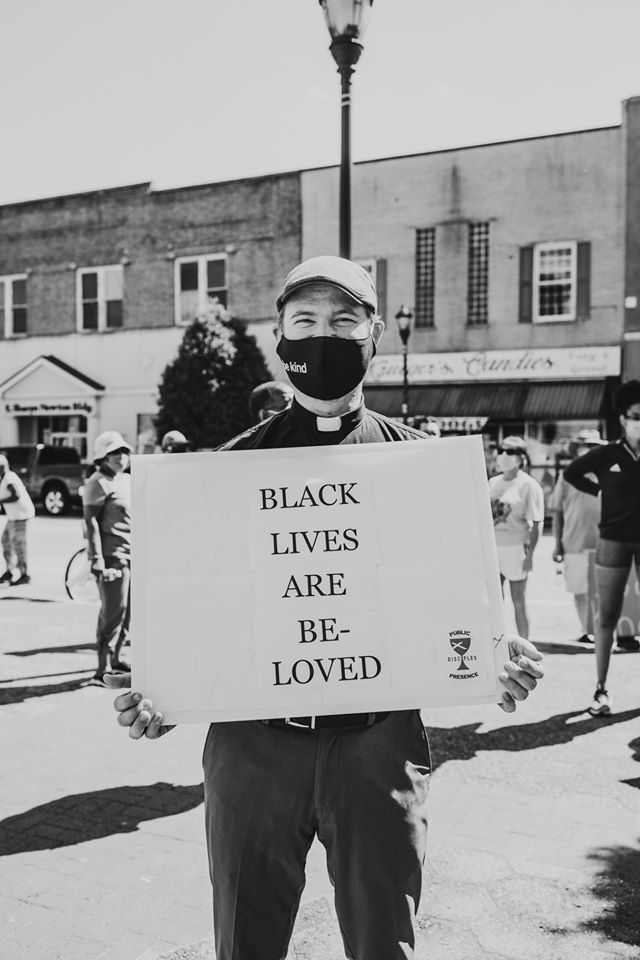
Protestors around the country are crying out against police violence and systemic racism.
This, too, is mental health advocacy.
When people speak up to advocate for an end to mass incarceration, an end to militarized policing, the redistribution of economic resources toward community health and wellness, the relief of medical debt, the expansion of Medicaid, the universal right to healthcare:
This, too, is mental health advocacy.
To advocate for mental health is not only to speak about a specific area of health concern; nor is it solely to encourage good mental health hygiene and self-care. These are important matters. But the work of changing systems, ending violence, and radically shifting how we think about matters of health, safety, and well-being in our community:
This, too, is mental health advocacy.
Let’s be mental health advocates. It can be hard, discouraging work; and my bipolar brain is prone to anxiety and despair. And yet working together for the health, safety, and wholeness of our communities and world is an act of holding on to hope. It is, itself, a form of care.
This, too, is mental health advocacy.